

In the fast-paced world of marketing, what worked wonders a decade ago can feel as outdated as a flip phone. As consumer behavior evolves at lightning speed, so does the brain behind every purchase decision. Remember when catchy jingles and flashy billboards were enough to capture attention? Those days are fading into memory like yesterday’s viral meme. Today’s buyers are savvy, informed, and armed with an arsenal of digital tools that reshape how they interact with brands.
In this blog post, we’ll delve deep into why traditional marketing tricks no longer resonate and explore the fascinating science behind the ever-evolving buyer brain. Buckle up as we navigate through the shifting landscape of consumer psychology—because understanding your audience isn’t just beneficial; it’s essential for survival in today’s competitive market.
Buyers Now Research Everything
Gone are the days when a potential customer needed to talk to sales just to understand your product. Now? They’ll Google it, read reviews, check Reddit, stalk your competitors, and scroll your LinkedIn—all before they ever fill out a form or click “book a demo.” Buyers are self-educating like pros. If your content doesn’t help them learn, solve problems, or build trust along the way, they’ll move on to someone who does. So yeah, that “request a brochure” button isn’t cutting it anymore.
People Can Smell a Sales Pitch From a Mile Away
Today’s buyers are hyper-aware. They’ve been marketed to their whole lives. Pop-ups, spammy DMs, cold emails with fake personalization? It’s all white noise. And when something does grab their attention, it better be authentic, not pushy. People don’t want to be sold to—they want to feel seen, heard and helped. That means shifting from “Here’s our product!” to “Here’s how we make your life easier.” If it screams “sales tactic,” it’s already lost.
Trust Is the New Currency

Let’s face it: people don’t trust brands the way they used to. They trust people. Real humans. That’s why UGC (user-generated content), reviews, behind-the-scenes content, and real customer stories perform way better than polished ads or vague claims. Building trust today takes consistency, transparency, and showing up like a human—not a sales robot. If your brand still hides behind buzzwords and stock photos, it’s time to re-think your whole vibe.
Buyers Want Fast Value, Not Fluff or Funnels
People are busy. They’re overloaded with content, offers, and decisions. So if your marketing feels like it’s leading them through a five-step funnel before giving them any real value… it’s not gonna fly. Buyers want instant clarity. What are you offering? Why should they care? What’s in it for them? If you don’t deliver value upfront—through insights, tools, or straight-up helpful info—they’re bouncing. Period.
Authenticity

Perfectly polished brand personas and glossy marketing copy are starting to feel, well… fake. In 2025, brands that win are the ones that feel real, relatable, and a little messy in a human way. This is where personality, storytelling, and real voices shine. Whether it’s your CEO on TikTok or a designer tweeting about …


 Search engine optimization (SEO) is a must-have strategy for businesses looking to gain visibility and attract potential customers. One of the biggest advantages of SEO is that it is cost-effective compared to other marketing strategies. Traditional advertising methods such as TV commercials, print ads, and billboards can be expensive and may not reach your target audience effectively. With SEO, you can specifically target your ideal customer through keyword research and content creation. This means you are only spending money on reaching people who are already interested in what you offer. Another cost-saving benefit of SEO is its long-term impact. While traditional advertising methods require ongoing investment to maintain their effectiveness, once your website has been optimized for search engines, it will continue to bring in traffic without additional costs.




 The first thing to think about whenever you need to increase sales with websites, you need to think of how visitors will think about the page when they click the online address. It may be about the design, but it is categories that play the most part. Effective categorizing will affect the way how visitors perceive your business as your site will act as your company’s representative. It is vital to keep things professional by adding essential categories only on the front page. The visitors can also find additional information after exploring the page. The front page needs to contain a short description of the business, address to contact, images of the previous projects, and testimonies from former clients or buyers.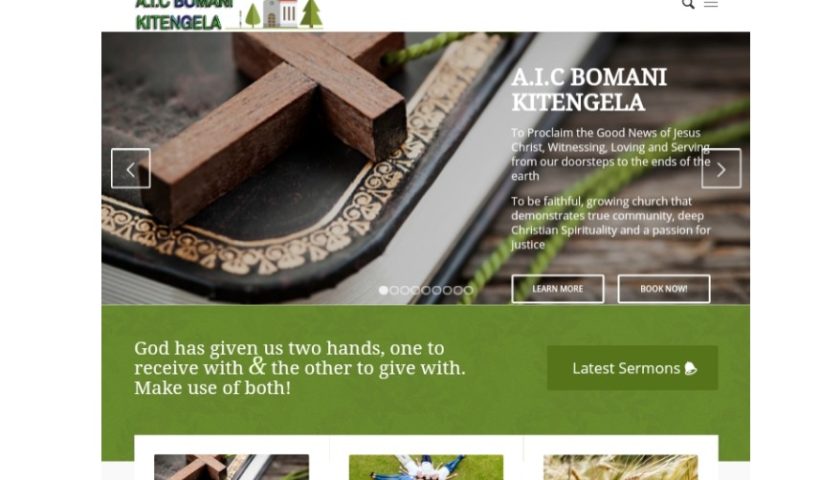
 they can try to get their websites ranking top in several search engines. It involves the use of a couple of strategies that help increase the number of people visiting your site. Commonly referred to as SEO, you can get analytics from different sources to know the level of traffic on your church website. Hiring SEO experts can be helpful in this. Here are ways you can make your church website SEO friendly.
 your site more attractive. Make sure you take the right photos of your church or anything that represents the beliefs you stand for. They should be of the right size and quality. You should compress them so that they can load quickly.…